


Find Your Holidays

About Us

Kuncha Trek-Explore All Tour of the world with us.

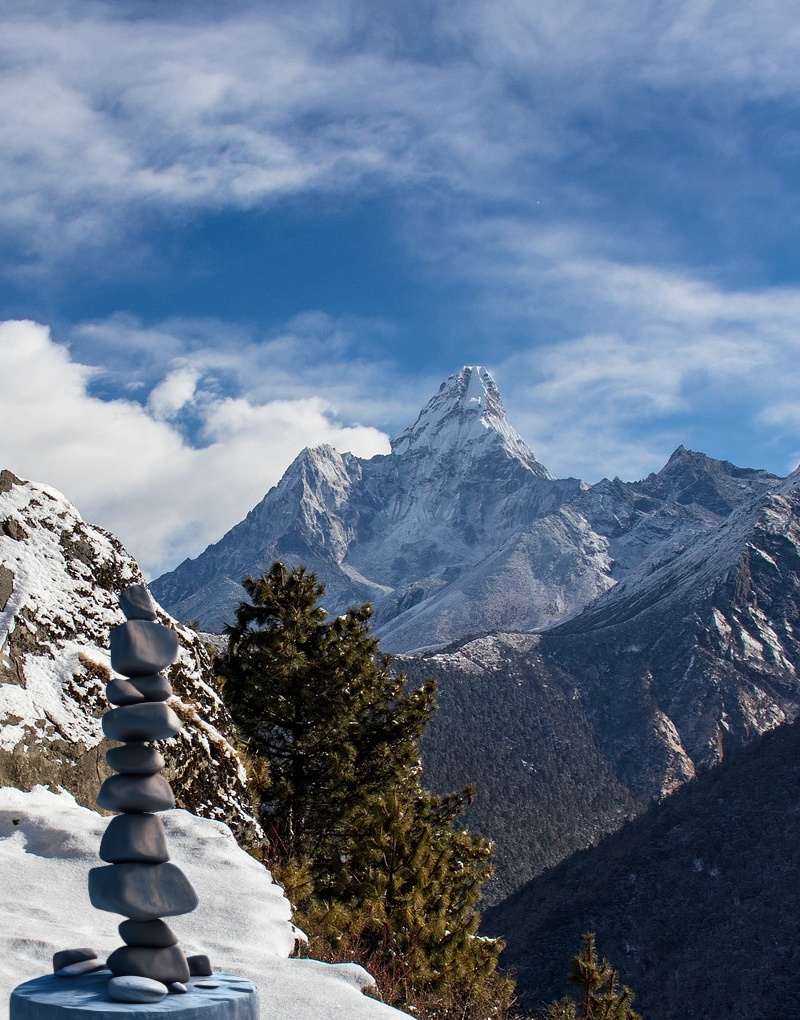
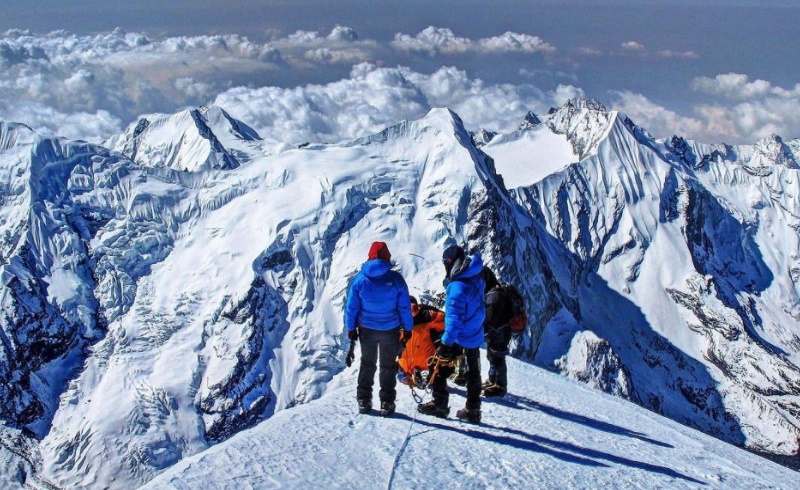
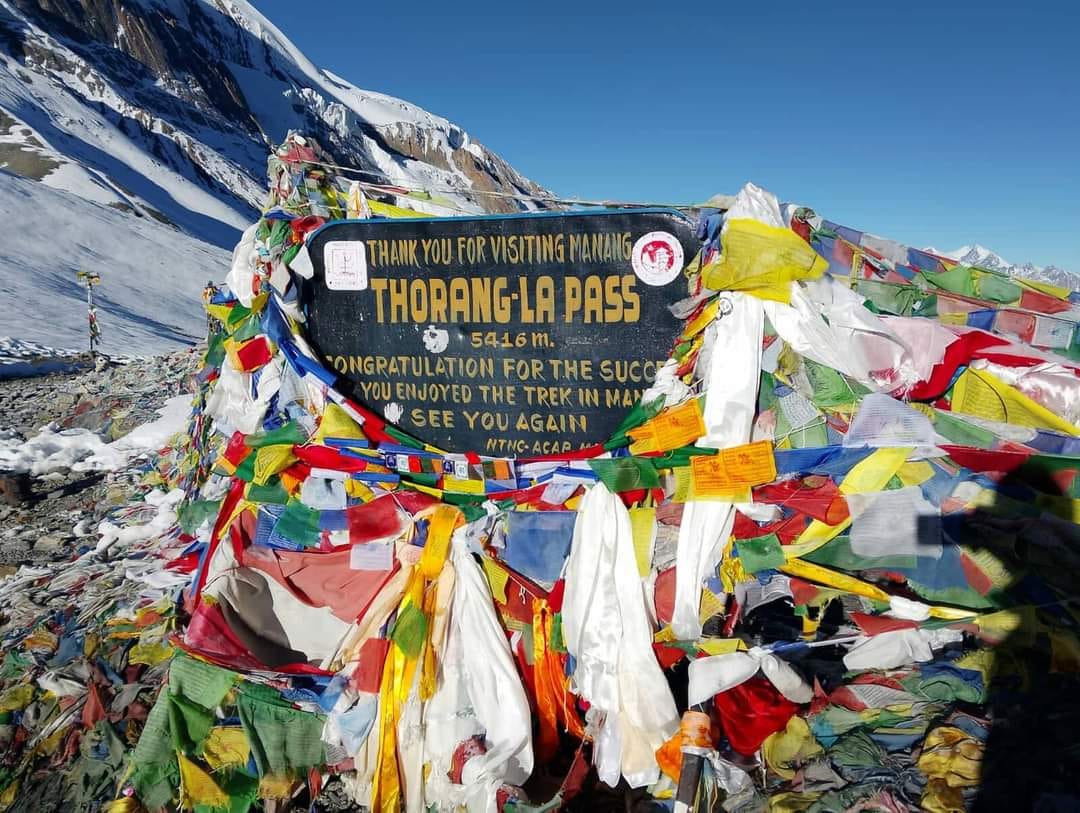
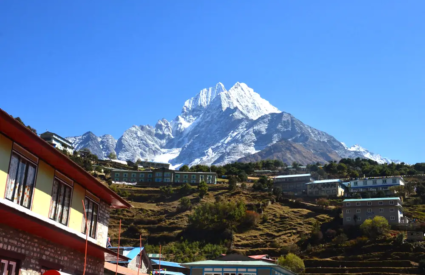
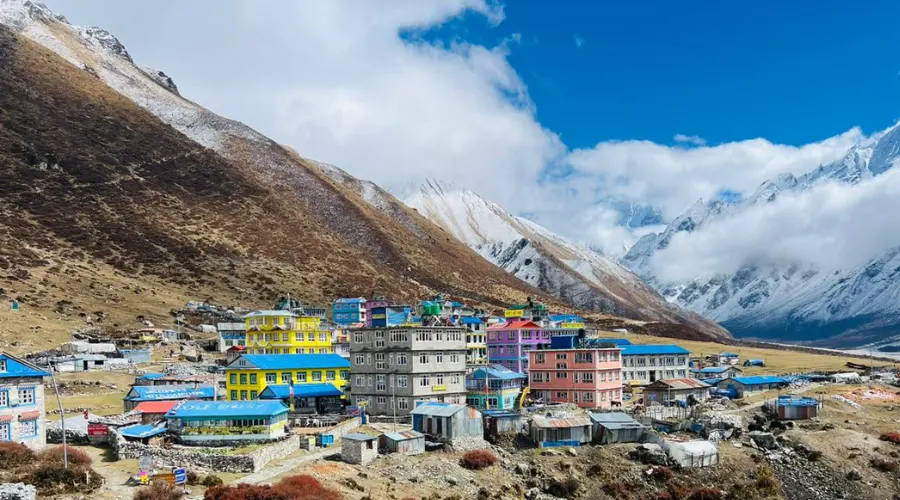
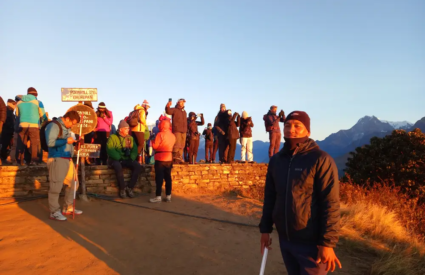
A trekking company in Nepal plays a vital role in helping travelers explore the country’s breathtaking mountains, rich culture, and natural beauty. Nepal is home to the Himalayas, including Mount Everest, Annapurna, and Langtang ranges, which attract thousands of trekkers from around the world each year. A professional trekking company provides well-organized trips, including guided treks, climbing expeditions, cultural tours, and adventure activities.

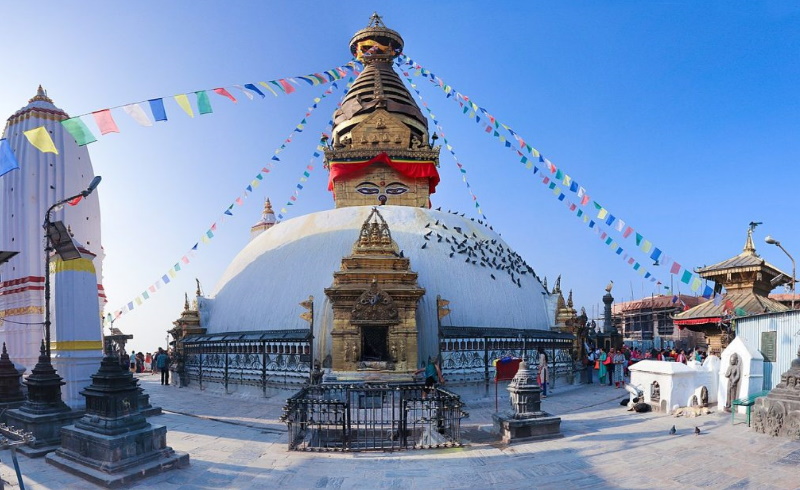
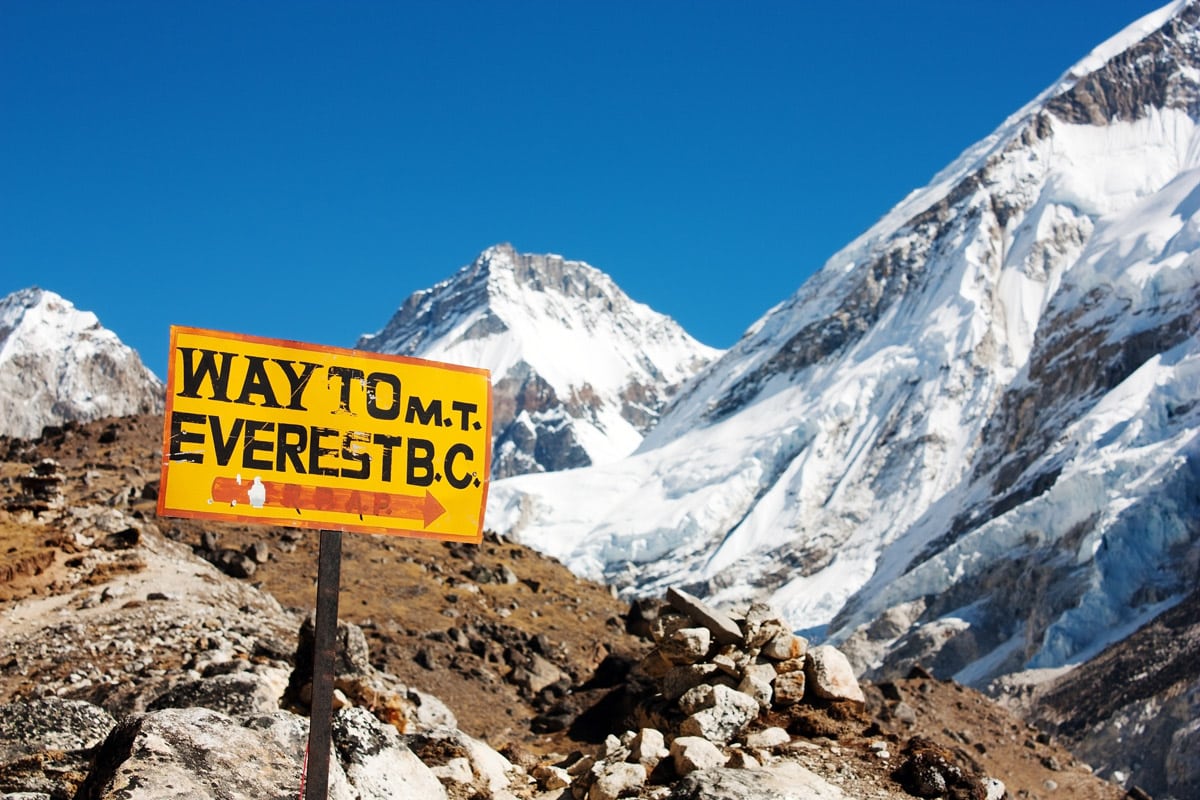
Most trekking companies in Nepal offer experienced guides, porters, permits, transportation, accommodation, and safety arrangements. Their local knowledge ensures that travelers enjoy not only the mountain views but also the traditions, hospitality, and lifestyles of the Himalayan communities. Whether it is the famous Everest Base Camp Trek, the Annapurna Circuit, or off-the-beaten-path trails, these companies design itineraries suited for different levels of trekkers, from beginners to seasoned adventurers.

Explore Your Life, Travel Where You Want!

Lorem ipsum dolor sit amet, consectetur adipiscing elit, sed do eiusmod tempor incididunt ut labore et dolore magna aliqua.

Our Testimonails

Good Reviews By Clients

Lorem ipsum dolor sit amet, consectetur adipiscing elit, sed do eiusmod tempor incididunt ut labore.

Rajiv Karki
Germany

Lorem Ipsum is simply dummy text of the printing andypesetting industry. Lorem ipsum a simple Lorem Ipsum has been the industry's standard dummy hic et quidem. Dignissimos maxime velit unde inventore quasi vero dolorem.

Faqs

Frequent Asked Questions

To get an On Arrival Visa for Nepal, you can simply apply at Tribhuvan International Airport in Kathmandu or at certain land border entry points. Upon arrival, fill out the visa application form and arrival card, either at the airport kiosks or online in advance at www.nepalimmigration.gov.np. After that, pay the visa fee based on your intended stay: USD 30 for 15 days, USD 50 for 30 days, and USD 125 for 90 days. You will need to submit your passport (valid for at least six months), a printed or digital receipt of your online application (if applicable), and two passport-sized photos. Once processed, the visa will be stamped into your passport at the immigration counter. Most nationalities are eligible, but a few countries require a visa in advance, so it’s best to check the latest information before traveling.

Nepal offers several types of On Arrival Visas, primarily for tourists. The most common is the Tourist Visa, available for 15, 30, or 90 days depending on your length of stay. There is also a Gratis (free) Visa for eligible travelers such as children under 10, SAARC nationals (except Afghanistan), and certain special cases. Additionally, a Transit Visa is available for travelers passing through Nepal for less than 24 hours. Other visa types, like work or student visas, must be obtained before arrival through a Nepalese embassy.

Yes, you need a permit to trek in Nepal. Depending on the trekking region, you may require a TIMS card (Trekkers’ Information Management System), a national park or conservation area entry permit, and in some cases, a restricted area permit. These permits help manage and protect the trails and are mandatory for most popular trekking routes. You can get them from the Nepal Tourism Board offices in Kathmandu or Pokhara, or through registered trekking agencies.

Himilayan Summit Club offers trekking packages year-round, operating in all seasons. In Nepali tourism, there’s a popular saying: Nepal is for all seasons. However, the monsoon season (June to August) brings heavy rainfall, and winter brings extremely cold conditions in the high mountains. The best seasons for high-altitude trekking are spring (March to May) and autumn (September to November). Autumn follows the monsoon, offering clear skies and pleasant weather, while spring brings gradually warmer temperatures at higher elevations. These favorable conditions make spring and autumn the most popular times for trekking. That said, treks below 3,000 meters can be enjoyed at any time of the year.

The duration of a trek depends on its type and difficulty level. As previously mentioned, the most challenging treks can last over four weeks, while easier treks typically take 1 to 3 days to complete. Moderate treks usually span around a week. However, the exact number of days may vary due to weather conditions and unforeseen circumstances.

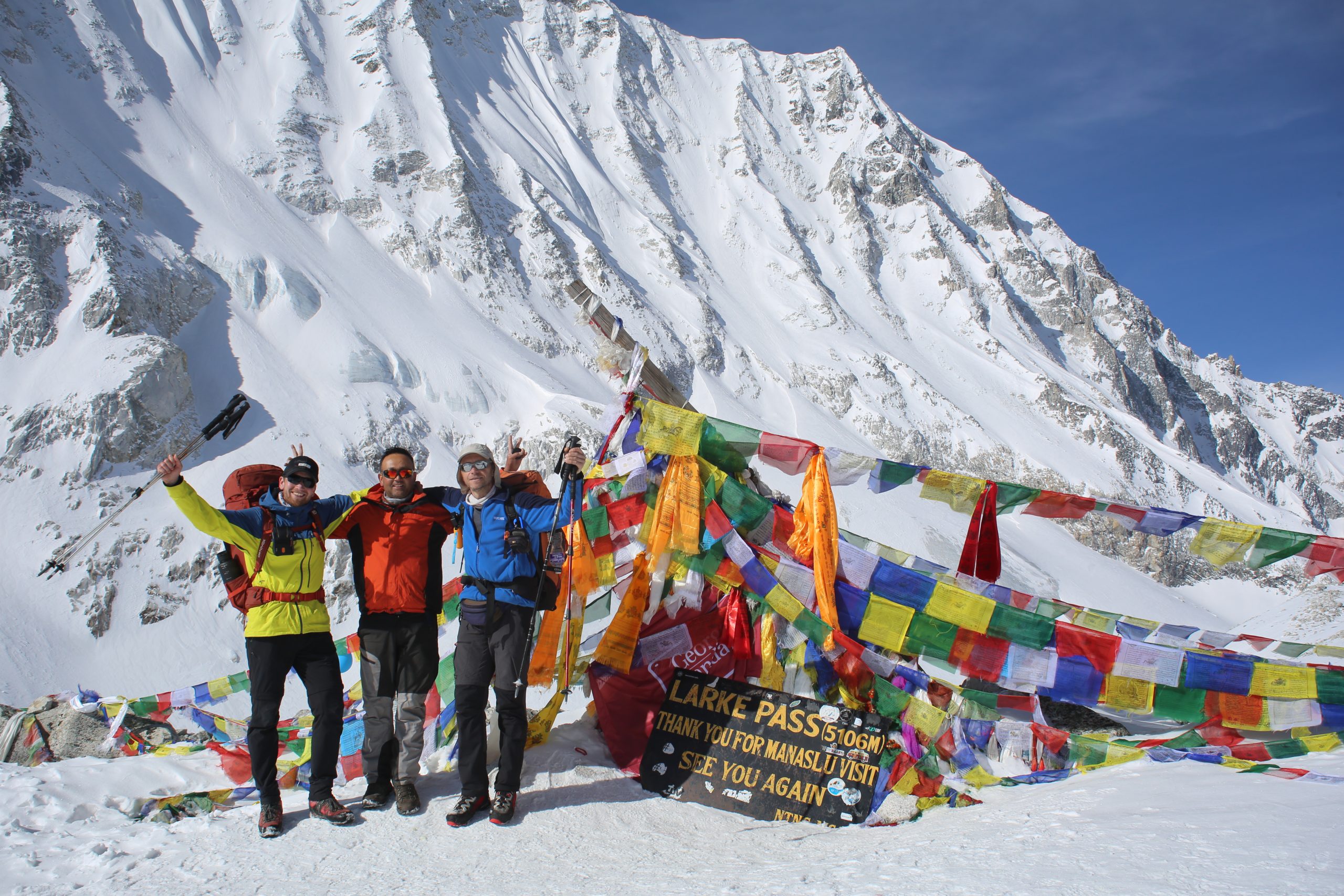
Trekking in Nepal ranges from easy to extremely challenging, depending on the route, altitude, and your physical fitness. Popular treks like Ghorepani Poon Hill or Langtang Valley are considered moderate and suitable for most people with basic fitness. However, high-altitude treks like Everest Base Camp, Annapurna Circuit, or Manaslu require good stamina, proper acclimatization, and sometimes prior trekking experience. Factors such as steep trails, changing weather, and altitude sickness can add difficulty. With proper preparation, guided support, and a gradual pace, most trekkers can successfully enjoy Nepal’s stunning mountain landscapes.